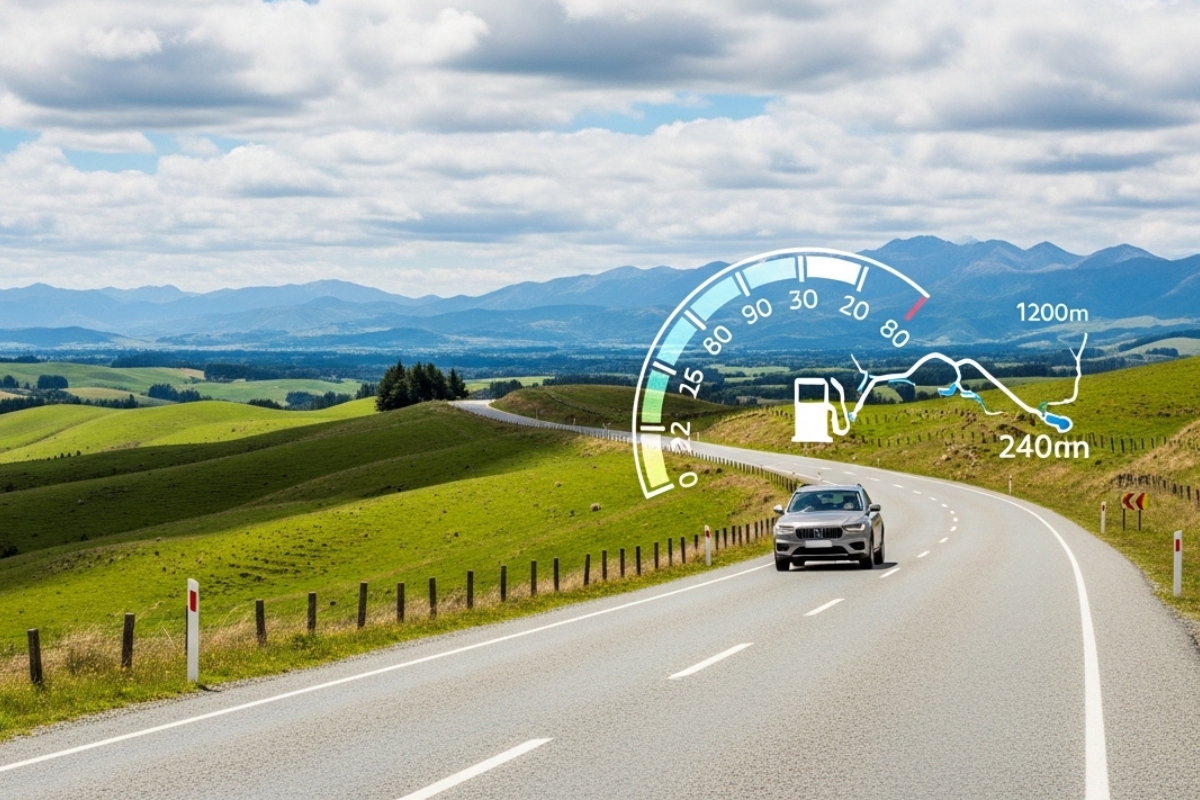
A road trip in New Zealand feels open from the first turn of the key. Roads stretch along cliffs, farmland rolls past the windows, and the sea appears when you least expect it. That sense of freedom works best when the basics are clear. Distance, fuel use, and time on the road shape every decision, from when you leave in the morning to where you stop for the night.
Before booking stays or mapping detours, it helps to ground the journey in simple numbers. Knowing how far you will drive and what it will cost in fuel removes guesswork early. A practical fuel calculator lets you estimate petrol or diesel costs based on distance and vehicle efficiency. That clarity keeps the trip relaxed instead of rushed.
Why distance shapes every New Zealand road trip
New Zealand looks compact on a map, yet driving distances can surprise first-time visitors. State highways wind through hills, coastal roads slow near small towns, and scenic routes often trade speed for views. A drive that seems short in kilometres can take longer than expected once real road conditions are factored in.
This matters most when planning days with multiple stops. A beach walk in the morning, a café stop in the afternoon, and a sunset lookout all sound easy. The distance between them decides whether the day feels spacious or squeezed. Careful distance planning avoids late arrivals and tired driving.
If you are heading through the lower North Island, routes around Horowhenua and Kapiti offer beauty but also varied driving times. Some stretches move quickly. Others slow as roads narrow or pass through communities. Accounting for these shifts keeps expectations realistic.
Fuel use is not just about kilometres
Fuel planning goes beyond how far you drive. Vehicle type, terrain, and driving style all play a role. A compact car handles coastal highways efficiently. A campervan climbing inland hills will use more fuel over the same distance. Ignoring these factors can lead to underestimating costs.
Wind exposure along the coast can also affect consumption. Headwinds increase fuel use, especially for taller vehicles. Add luggage or sporting gear, and efficiency changes again. These details explain why two trips of equal length can have very different fuel totals.
Budgeting fuel properly helps prevent small stresses from stacking up. You know when to refuel. You know which days will cost more. That confidence supports smarter choices about food stops, attractions, and accommodation.
Time on the road sets the pace of the trip
Time matters as much as distance. A three-hour drive can feel easy with one stop. The same drive feels heavy if squeezed between activities. New Zealand roads reward patience, so building generous time windows keeps the experience enjoyable.
Morning light, weather shifts, and local traffic patterns all influence travel time. Leaving earlier often means quieter roads and smoother progress. Later starts may bring more scenic stops, but also more traffic near towns.
Understanding how long each leg will take helps balance driving with rest. It also reduces pressure to speed, which improves safety and comfort for everyone in the vehicle.
Planning fuel stops without stress
Fuel stations are common in towns but sparse in remote areas. Planning prevents anxious driving on low fuel. This is especially true on coastal or rural routes where stations may close early.
A rough rule is to refuel once the tank drops below half in less populated areas. This habit builds margin into the trip. It also gives flexibility to choose stations with better prices or amenities.
Linking fuel planning with daily distance makes stops feel natural. You stop because it fits the day, not because the warning light forced the decision.
How budgeting fits into the wider trip plan
Fuel cost connects directly to overall trip spending. When fuel is clear, other choices become easier. You can decide whether a detour is worth it or whether a longer stay in one place makes more sense.
This thinking aligns closely with broader trip budgeting. Estimating fuel early supports accommodation planning, food choices, and activity selection. It also leaves room for spontaneous stops without financial worry.
For travelers exploring the coast, understanding daily costs pairs well with guides on trip budgeting. Fuel becomes one known piece in a larger, manageable picture.
Distance planning for coastal and inland routes
Coastal routes offer frequent viewpoints and beach access. Inland routes tend to be faster but less visually varied. Choosing between them depends on time, fuel use, and what you want from the day.
Switching between these routes during a trip adds variety. One day may focus on efficient travel. Others may slow down to enjoy the scenery. Balancing both keeps the journey fresh.
Drivers who enjoy flexible pacing often mix these routes, adjusting plans based on weather and energy levels.
Practical road trip planning steps
Clear planning does not mean rigid schedules. It means understanding the framework of the trip so adjustments feel easy. These steps support that approach.
- Choose daily distance ranges that feel comfortable for your group.
- Estimate fuel use based on vehicle type and terrain.
- Identify fuel stations along longer stretches.
- Allow extra time for scenic stops and rest.
Each step builds confidence. Together, they create a trip that flows instead of fighting the road.
Weather and road conditions change the math
Weather affects both time and fuel. Rain slows traffic and increases consumption. Strong winds do the same. Checking forecasts before long drives helps adjust expectations.
Road works also play a role. Detours and temporary speed limits add minutes or hours. Factoring these into plans avoids frustration.
Local advice and updates often provide the clearest picture of current conditions.
Driving tips that support fuel efficiency
Smooth driving saves fuel and reduces fatigue. Steady speeds, gentle acceleration, and anticipating stops all help. These habits also make the trip calmer.
Avoid overloading the vehicle. Extra weight increases fuel use, especially on hills. Packing thoughtfully supports both comfort and cost control.
Drivers new to the area can benefit from guidance on local driving tips, which highlight road habits and expectations.
Information that supports safe planning
Reliable transport information adds another layer of confidence. Speed limits, road rules, and safety updates help drivers make informed choices throughout the trip.
Official guidance from Waka Kotahi NZ Transport Agency provides clear information on road safety and conditions across the country. This supports smarter timing and safer driving.
A clear view of fuel, time, and distance
Road trips in New Zealand reward preparation without punishing spontaneity. When fuel, distance, and time are understood, the journey opens up. You stop when something catches your eye. You linger when a place feels right.
Clear estimates reduce tension and increase enjoyment. They turn planning into a supportive tool rather than a constraint.
With the basics in place, the road becomes what it should be. An invitation to see more, at a pace that feels right.
Trip Planning Summary
- Estimate distance and fuel before setting daily plans
- Adjust expectations for terrain and vehicle type
- Build time buffers for scenic stops and rest
- Use official road updates to stay informed
| Factor | Why it matters |
|---|---|
| Distance | Sets daily driving limits and stop frequency |
| Fuel use | Affects budget and refuelling plans |
| Time | Shapes daily pace and comfort |
| Weather | Changes in driving conditions and efficiency |